
10 Essential Tips for Designing a Cat-Friendly Home
Create a cozy, safe, and enriching space your cat will love. Discover essential tips to design a cat-friendly home that supports natural instincts and everyday wellbeing.
CAT
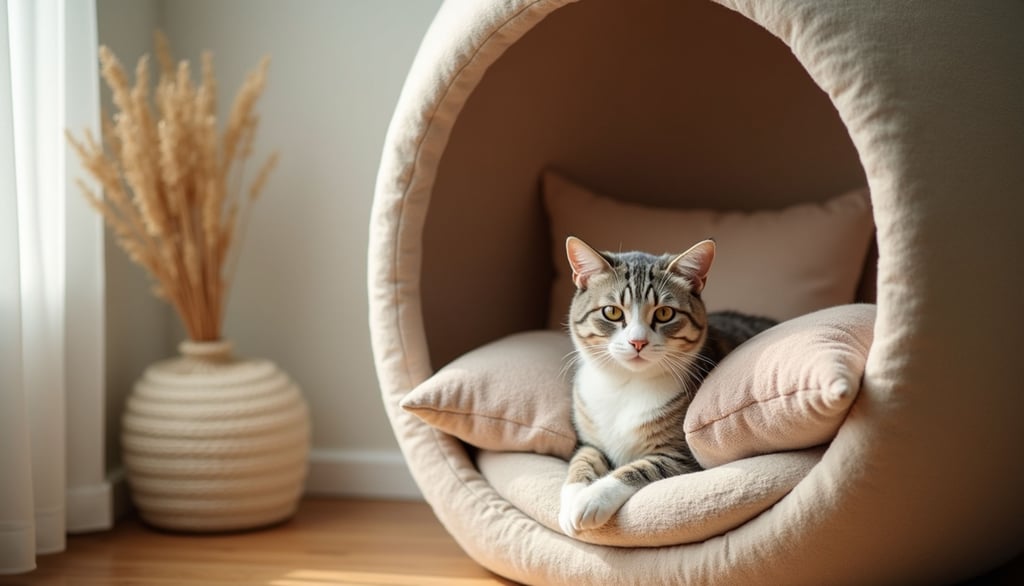

Creating a cat-friendly home isn’t just about adding a scratching post or leaving toys around. It’s about understanding your cat’s natural instincts - climbing, hiding, observing, resting - and shaping your home into a place where they feel safe, stimulated, and deeply at ease. With a few thoughtful changes, you can create a space that supports your cat’s emotional wellbeing and strengthens the bond you share.
1. Provide Vertical Spaces for Exploration
Cats feel most secure when they can observe their environment from above. Vertical space gives them confidence, reduces stress, and offers opportunities to explore.
What works well:
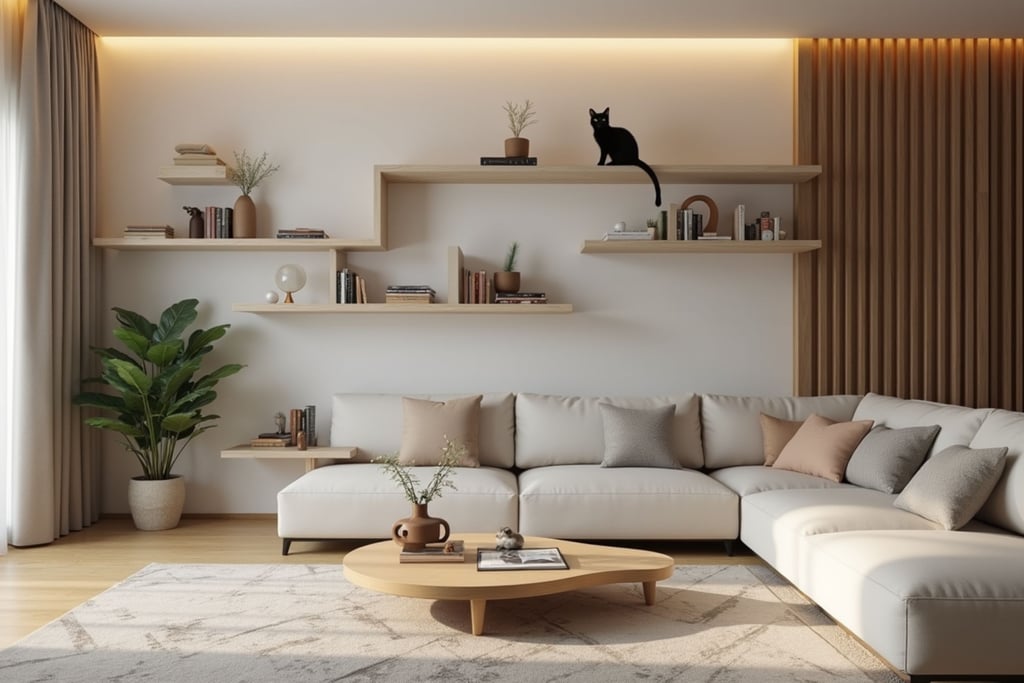
Sturdy wall-mounted shelves at different heights
Window perches for sunlight and outdoor views
Multi-level cat trees with resting nooks
Vertical territory is especially important in smaller homes or multi-cat households - it gives each cat more “space” without taking up any floor area.
2. Create Safe Hiding Places
Hiding is a natural coping mechanism for cats. A good hiding spot helps them calm down, feel in control, and retreat from noise or activity.
Great options include:
Covered beds with soft blankets
Boxes tucked into quiet corners
Furniture with built-in cat tunnels or cubbies
A home that offers both open space and secure hideaways makes cats feel emotionally balanced.
3. Designate Scratching Areas
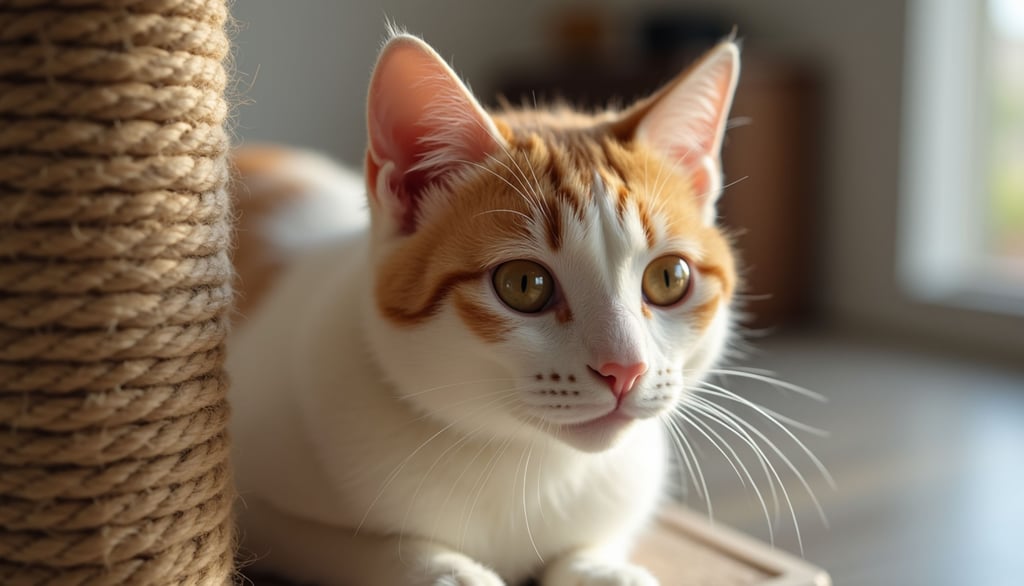
Scratching is essential for cats - it stretches muscles, keeps claws healthy, and marks territory. Giving your cat appropriate scratching outlets protects your furniture and supports natural behavior.
Tips:
Place scratchers near favorite rest spots
Offer multiple textures (sisal, cardboard, carpet)
Encourage use with hanging toys or catnip
Scratching isn’t bad behavior - it’s communication. Give them a place to express it.

4. Ensure Easy Access to Food and Water
Cats prefer calm, predictable spaces for eating and drinking. The right setup helps reduce stress around mealtime.
Best practices:
Use wide, shallow bowls to avoid whisker fatigue
Place food away from litter areas and busy walkways
Offer fresh water daily or use a cat-safe fountain
A thoughtful feeding environment supports better hydration and overall wellbeing.
5. Maintain a Clean and Accessible Litter Area
A clean litter box is one of the most important elements of a cat-friendly home. Location and cleanliness directly impact whether your cat uses the box comfortably.
Remember:
Place litter boxes in quiet, low-traffic areas
Use unscented, clumping litter for easy cleaning
Follow the “one box per cat + one extra” rule
Scoop daily and deep-clean regularly
Cats are sensitive - a clean, calm litter area prevents stress and unwanted accidents.
6. Choose Cat-Safe Plants and Decor
A beautiful home can still be a safe home for your cat. Many popular houseplants are toxic, so choosing cat-safe options is essential.
Safe choices:
Spider plants
Cat grass
Bamboo palm
Avoid:
Lilies
Poinsettias
Philodendrons
Also secure fragile decor items to avoid accidental breakage during play.
7. Incorporate Interactive Toys and Play Areas
Cats need mental and physical stimulation every day. Creating small, intentional play zones can make a huge difference in their energy and happiness.
Try:
Rotating toys weekly to keep them exciting
Using puzzle feeders for enrichment
Providing tunnels, feather wands, and lightweight balls
Short daily play sessions help reduce boredom, stress, and nighttime zoomies.
8. Provide Comfortable Resting Spots
Cats sleep 12–16 hours a day - so cozy resting spaces are essential. Offer a variety of textures and locations so your cat can choose what feels right.
Ideas:
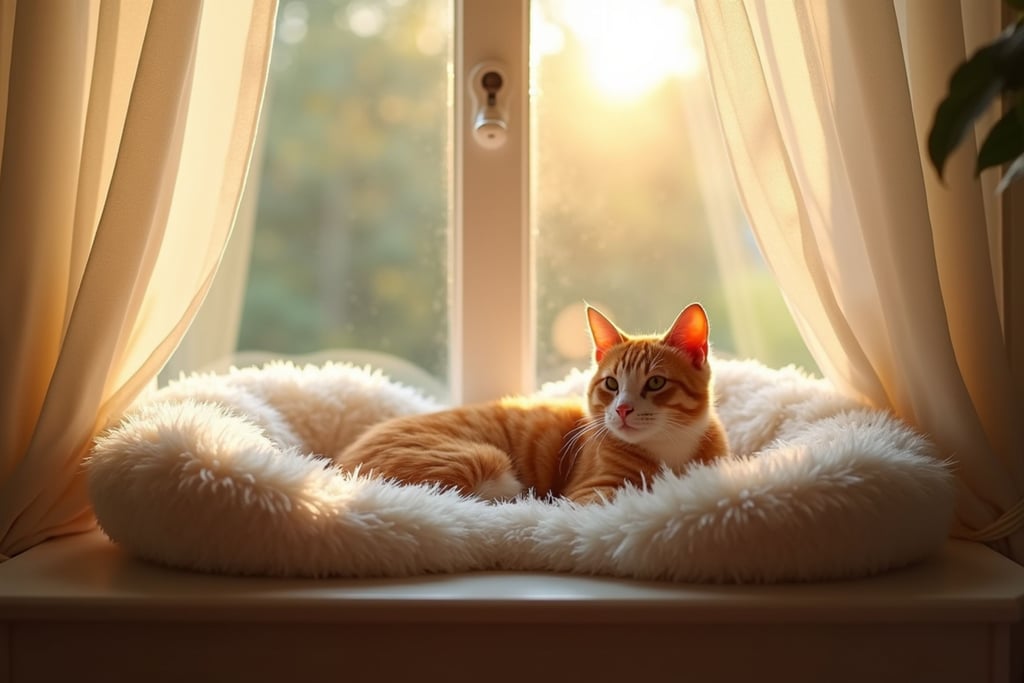
Soft beds near sunny windows
Cushions in warm corners
Heated beds for colder months
Elevated or hidden resting spots depending on personality
Cats love options, and giving them several cozy choices shows you truly understand their comfort needs.
9. Keep a Comfortable Temperature and Good Airflow
Cats are sensitive to drafts, heat, and sudden temperature changes. A comfortable environment helps them feel secure.
Tips:
Avoid placing beds near drafty windows or vents
Use blackout curtains to manage heat and sunlight
Consider cooling mats or warm blankets depending on season
A steady, comfortable temperature keeps your cat relaxed all year round.

10. Use Non-Toxic Cleaning Products
Cats groom themselves constantly, so they can ingest residue left on surfaces. Choosing pet-safe cleaning products protects their long-term health.
Choose:
Enzyme-based or natural cleaners
Fragrance-free solutions
Avoid:
Bleach
Ammonia
Harsh chemical sprays
Always rinse surfaces well if you must use stronger cleaners.
Final Thoughts: A Cat-Friendly Home Builds a Happier Life
Designing a cat-friendly home is an act of love. By creating an environment that supports your cat’s instincts - climbing, hiding, scratching, resting, and exploring - you give them the foundation for a calm, enriched, and joyful life.
Start with a few small changes, observe what your cat gravitates toward, and let their personality guide your design choices. A thoughtful home doesn’t just make your cat happier - it brings more harmony, warmth, and connection into your everyday life.

Affiliate Disclosure:
PetRecs participates in the Amazon Services LLC Associates Program, an affiliate advertising program designed to provide a means for sites to earn fees by advertising and linking to Amazon. As an Amazon Associate, we earn from qualifying purchases.
In addition, this website may contain affiliate links from other trusted partners and networks. If you click on these links and make a purchase, we may earn a small commission at no extra cost to you. These commissions help support the content published on this site.
We only recommend products we genuinely believe provide value to pet owners and their pets.
Subscribe to Newsletter


© 2026 by PetRecs.